How Can You Tell If Cattle Are Experiencing Heat Stress?
 James15 min read
Heat stress is not only a concern in countries with extremely hot summers. Cattle in Ireland can also struggle during warm, humid weather, particularly when temperatures rise quickly and animals have had little time to adjust.
Cattle produce heat through digestion, movement and milk production. When they cannot release that heat quickly enough, their behaviour begins to change as they try to cool themselves.
The early signs may be subtle. Cattle may spend more time standing, eat less, move towards water or shade and become less active. As heat stress becomes more severe, breathing can become faster, salivation may increase and animals may begin panting with their mouths open.
Recognising these changes early gives farmers a better opportunity to improve access to water, shade and airflow before animal welfare or performance is seriously affected.
What is heat stress in cattle?
Heat stress occurs when a cow gains or produces more heat than she can release into the surrounding environment.
Cattle regulate their body temperature through several processes, including:
- Breathing
- Sweating
- Drinking water
- Seeking shade
- Reducing movement
- Changing feeding and resting behaviour
These responses require energy and can alter the animal's normal routine.
Heat stress is influenced by more than air temperature. Humidity, direct sunlight, wind speed, access to shade, water availability and the amount of heat generated through digestion all affect how comfortable cattle feel.
A humid day can therefore create more difficulty than the temperature reading alone might suggest.
Can cattle experience heat stress in Ireland?
Yes.
Ireland does not experience prolonged extreme heat as often as some countries, but cattle can still become heat stressed during warm and humid periods.
The risk may be greater when:
- Temperatures rise suddenly
- Humidity remains high
- There is little wind
- Cattle are exposed to direct sunlight
- Shade is limited
- Water access is restricted
- Animals are gathered tightly in yards or collecting areas
- Sheds have poor ventilation
Sudden warm spells can be particularly challenging because cattle may not have had time to adapt gradually to the change in conditions.
Read Teagasc's guidance on heat stress in Irish cattle .
What are the early signs of heat stress in cattle?
Early heat stress often appears through changes in normal behaviour.
Possible early signs include:
- Spending more time standing
- Reduced grazing or feeding
- Less rumination
- Moving towards shade
- Gathering near water sources
- Reduced general activity
- Standing with the head lowered
- Becoming reluctant to lie down
- Clustering closely with other cattle
- An increase in breathing rate
These signs may not all appear at once.
A cow may initially make small adjustments, such as standing for longer or reducing feed intake, before obvious panting develops.
This is why changes across the group can be useful. If several animals begin standing, gathering around water or reducing feeding at the same time, the cause may be environmental rather than an individual health problem.
Why do heat-stressed cattle spend more time standing?
Cattle may stand for longer during warm weather because standing exposes more of the body surface to moving air.
When a cow lies down, more of her body is in contact with the ground and airflow around the body is reduced.
Standing may therefore help the animal release heat, particularly where there is some air movement.
However, prolonged standing can create other problems.
It may contribute to:
- Reduced resting time
- Greater pressure on the feet
- Increased lameness risk
- Fatigue
- Changes in feeding and rumination patterns
DAERA notes that heat-stressed cows commonly spend more time standing rather than lying down and may gather closely together, which can make the heat problem worse.
Read DAERA's guidance on recognising and reducing heat stress in dairy cows .
Why do cattle eat less during hot weather?
Digestion creates heat.
When cattle are already struggling to remain cool, they may reduce feed intake to limit the additional heat produced through digestion.
Farmers may notice that cattle:
- Graze less during the hottest part of the day
- Eat more in the evening or early morning
- Spend less time at the feed barrier
- Show reduced rumination
- Leave feed unfinished
- Become less interested in forage
A short-term change may be linked to the weather. However, reduced intake can affect milk production, liveweight gain, energy balance and recovery if warm conditions continue.
Farmers should also check that reduced feeding is not being caused by another problem, such as illness, poor feed quality, overcrowding or restricted access.
How does breathing change during heat stress?
An increase in breathing rate is one of the most useful physical signs of heat stress.
Cattle breathe faster to increase heat loss through evaporation from the respiratory system.
As heat stress progresses, farmers may observe:
- More visible chest movement
- Rapid, shallow breathing
- Panting
- Increased salivation
- Drooling
- Occasional open-mouth breathing
- The tongue extending from the mouth in severe cases
Open-mouth breathing, pronounced panting, weakness or signs of distress should be treated seriously.
Breathing changes can also be caused by respiratory disease, pain or exertion. The weather, the wider group and the animal's recent activity should all be considered.
A cow breathing rapidly after being moved may recover after resting. A cow continuing to pant while standing still in shade may require more urgent attention.
Why do cattle crowd together during hot weather?
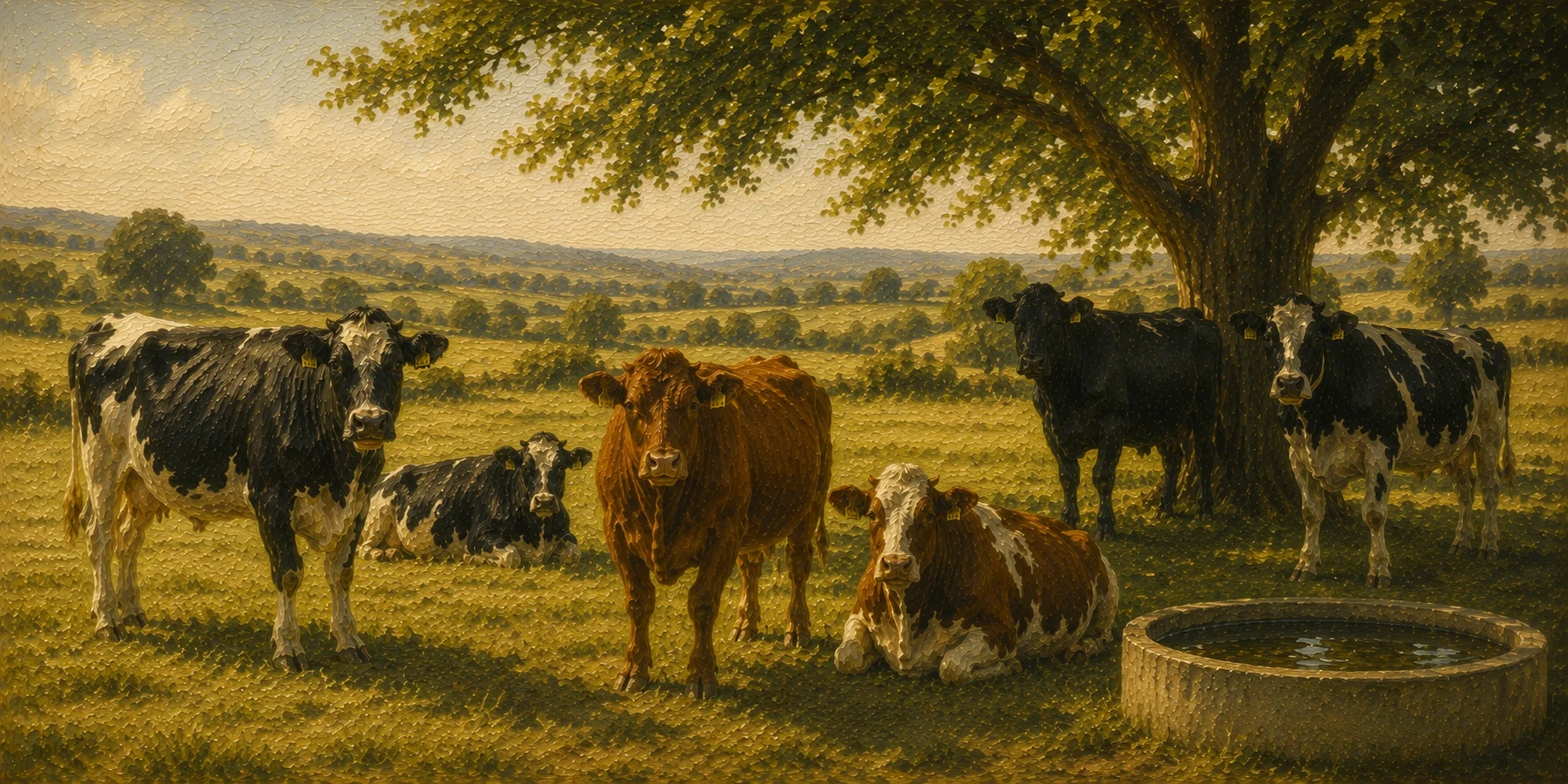
Cattle may gather tightly around shade, gateways, water troughs or areas with better airflow.
This can create a misleading picture because the animals appear to be choosing close contact even though the crowding may increase their heat load.
Crowding can:
- Reduce airflow between animals
- Limit access to water
- Increase competition
- Create muddy or damaged ground around troughs
- Make it harder for weaker animals to reach shade
- Increase standing time
Where cattle are crowding in one area, farmers should consider whether there is enough shade, water access and space for the whole group.
Which cattle are most at risk of heat stress?
All cattle can experience heat stress, but some animals may struggle sooner than others.
Higher-risk animals can include:
- High-yielding dairy cows
- Heavily pregnant cows
- Recently calved animals
- Young calves
- Very heavy or over-conditioned cattle
- Sick or recovering animals
- Cattle with respiratory problems
- Lame cattle that cannot move easily towards water or shade
- Dark-coated animals exposed to direct sunlight
- Animals transported or handled during hot weather
High-producing dairy cows generate considerable heat through feed digestion and milk production.
Sick, weak or lame animals may also be less able to compete for water, reach shade or adjust their behaviour effectively.
Farmers should therefore consider both environmental conditions and individual animal risk.
Why water access becomes critical
Water is one of the most important defences cattle have against heat stress.
Water demand increases during warm weather, particularly for lactating cows.
Teagasc notes that lactating suckler cows may drink more than 60 litres per day in warm conditions, while younger cattle can also require substantially more water than during cooler weather.
Read Teagasc's warm-weather guidance for beef cattle .
Farmers should check:
- That every trough is working
- That the water supply can refill quickly enough
- That water is clean and palatable
- That troughs are accessible to the whole group
- That dominant animals are not blocking access
- That cattle do not need to walk excessive distances to drink
- That additional water is available in collecting yards or after milking
A trough may contain water when checked but still have an inadequate refill rate for a large group drinking within a short period.
Water access should therefore be assessed during peak demand rather than only when cattle are elsewhere.
How shade can reduce heat load
Direct sunlight adds to the heat an animal must manage.
Shade may be provided by:
- Trees
- Hedgerows
- Permanent shelters
- Temporary shade structures
- Well-ventilated sheds
Shade needs to be large enough for the group.
A small shaded area may encourage cattle to crowd tightly, reducing airflow and increasing competition.
Farmers should also consider how the position of the sun changes during the day. An area shaded in the morning may be fully exposed during the afternoon.
Can housing increase heat stress?
Yes.
Sheds can provide shade but may still become hot and humid where ventilation is poor.
Heat may build up because of:
- Inadequate air inlets
- Poor ridge ventilation
- Blocked or restricted openings
- High stocking density
- Low roof height
- Heat stored in roofing materials
- Moisture from animals, bedding or slurry
Farmers should observe where cattle choose to stand and whether some parts of the shed feel noticeably warmer or more humid.
Fans can improve air movement where natural ventilation is insufficient, but their placement and capacity need to suit the building.
Simply opening one door may not create effective airflow through a large or poorly designed shed.
Why collecting yards can be a problem
Collecting yards and handling areas can expose cattle to several heat-stress risks at the same time.
Animals may be:
- Standing closely together
- Waiting on concrete
- Exposed to direct sunlight
- Moving with limited airflow
- Away from water
- Already warm from walking
During hot weather, farmers may be able to reduce the risk by:
- Bringing cattle in closer to milking time
- Avoiding long waits in collecting areas
- Providing shade where practical
- Improving airflow
- Providing water before or after milking
- Handling animals during cooler parts of the day
Calm handling is also important. Rushing cattle increases movement and internal heat production.
How grazing routines can be adjusted
Cattle naturally shift more of their feeding towards cooler parts of the day when conditions are warm.
Farmers may support this by:
- Moving cattle to fresh grass in the evening
- Using paddocks with access to shade during the afternoon
- Avoiding long walks during peak heat
- Making water easily accessible from each grazing area
- Allowing cattle to graze during the evening and early morning
Teagasc suggests moving cattle to fresh pasture in the evening rather than the morning during warm weather. This allows more feeding to occur during the cooler period and may reduce the digestive heat load during the hottest part of the following day.
See Teagasc's grazing and water recommendations for hot weather .
What are the more serious warning signs?
As heat stress becomes more severe, cattle may no longer be able to maintain a safe body temperature through normal behavioural changes.
More serious warning signs can include:
- Persistent rapid panting
- Open-mouth breathing
- Heavy drooling
- The tongue extending from the mouth
- Staggering or poor coordination
- Weakness
- Inability or reluctance to move
- Collapse
- Signs of severe distress
Animals showing severe signs need immediate attention.
They should be moved carefully to a cooler, shaded and well-ventilated area with access to water, without creating additional exertion or stress.
Veterinary advice should be sought urgently where an animal is severely distressed, unable to recover or showing signs such as collapse, open-mouth breathing or poor coordination.
How heat stress affects dairy cows
Heat stress can affect dairy cows before obvious clinical signs are visible.
Possible effects include:
- Reduced dry-matter intake
- Lower rumination
- Reduced milk yield
- Changes in milk components
- More time standing
- Reduced lying and resting time
- Greater risk of lameness
- Changes in fertility performance
- Increased strain around the transition period
A fall in milk yield may appear after the behavioural response has already begun.
This means reduced feeding, rumination or resting may provide earlier evidence that the herd is struggling with conditions.
How heat stress affects beef and suckler cattle
Beef and suckler cattle may also experience reduced intake, lower activity and slower performance during warm weather.
Particular challenges may include:
- Limited shade across extensive grazing areas
- Long distances to water
- Insufficient trough capacity
- Heavy cattle carrying greater body mass
- Suckler cows with high water requirements
- Young calves becoming dehydrated
- Handling or transport during warm periods
Cattle on pasture may have better natural airflow than housed cattle, but they can still be exposed to direct sunlight for long periods.
Farmers should pay particular attention to fields where shade and water access are limited.
How monitoring technology can help identify heat stress
Heat stress often changes the behaviour of several cattle at the same time.
Depending on the system, monitoring technology may detect changes in:
- Feeding time
- Rumination
- General activity
- Standing and lying behaviour
- Movement around the field or shed
- Water-related movement patterns
- Body or internal temperature
The most useful signal may be a group-level change rather than one individual alert.
For example, if many cows begin eating less, standing longer and showing reduced rumination during the same period, environmental heat may be a likely factor.
Monitoring can also help farmers compare behaviour:
- Before and during a warm spell
- Between shaded and exposed grazing areas
- During different times of day
- Before and after ventilation or water access is improved
- Across different groups of cattle
Technology cannot determine every cause of reduced activity or feeding. Similar changes can occur because of illness, a feed change, movement between fields or another disruption.
The weather, the number of affected animals and physical observation should all be considered before drawing a conclusion.
Why group-level behaviour matters
Many livestock alerts focus on finding one animal that is behaving differently from the herd.
Heat stress can create the opposite pattern: several animals changing together.
This distinction is useful.
If one cow reduces feeding and activity, she may be ill, lame or approaching calving.
If most of the group reduces feeding and spends longer standing during a warm, humid afternoon, the environment may be influencing the herd.
A useful cattle-monitoring system should therefore help farmers see both:
- Individual animals departing from their normal behaviour
- Broader changes affecting a group at the same time
Do temperature and humidity alone tell the whole story?
No.
Temperature and humidity provide useful information, but outdoor cattle are also affected by:
- Direct solar radiation
- Cloud cover
- Wind speed
- Shade
- Ground conditions
- Walking distance
- Animal coat colour
- Milk production or body weight
Two groups exposed to the same air temperature may experience different heat loads if one group has shade and airflow while the other is standing in direct sunlight.
Weather data should therefore be considered alongside animal behaviour and the conditions in the specific field, shed or collecting yard.
A practical heat-stress checklist
Before and during warm weather, farmers can check the following.
Water
- Are all troughs working?
- Can they refill fast enough?
- Is the water clean?
- Can weaker animals reach it?
- Is the walking distance reasonable?
Shade
- Is shade available during the hottest part of the day?
- Is there enough for the group?
- Are animals crowding tightly?
- Does the shade move as the sun changes position?
Airflow
- Are sheds adequately ventilated?
- Are vents or inlets blocked?
- Are cattle standing in stagnant air?
- Could fans improve air movement?
Timing
- Can handling be moved to a cooler time?
- Can long walks be avoided during peak heat?
- Can fresh pasture be allocated in the evening?
- Can waiting time in collecting yards be reduced?
Animal behaviour
- Are cattle eating and ruminating normally?
- Are more animals standing?
- Are cattle crowding around shade or water?
- Has breathing become faster?
- Are any high-risk animals struggling more than the group?
Looking ahead
Heat stress can develop before cattle show dramatic signs.
Changes in feeding, rumination, activity, standing time and group movement may appear before obvious open-mouth panting or severe distress.
The most practical approach is to combine weather awareness with close observation of the animals and regular checks of water, shade and airflow.
At Graze Technologies, we are developing cattle-monitoring technology designed to help farmers identify meaningful changes in individual and group behaviour between routine checks.
The aim is not to replace farmer observation or veterinary advice. It is to provide greater visibility when activity, feeding or movement patterns begin to change, helping farmers decide where closer attention may be needed.
Frequently asked questions
What are the first signs of heat stress in cattle?
Early signs may include spending more time standing, reduced feeding or grazing, lower rumination, gathering near water or shade, reduced activity and an increase in breathing rate.
Can cattle get heat stress in Ireland?
Yes. Cattle can experience heat stress during warm, humid and still weather, particularly where shade, airflow or water access is limited. Sudden increases in temperature can also create difficulties before animals have time to adjust.
Why do cows stand during hot weather?
Standing exposes more of the body to moving air and may help cows release heat. However, prolonged standing reduces resting time and can increase pressure on the feet.
Why do cattle eat less when it is hot?
Digestion produces heat. Cattle may reduce feed intake during hot weather to limit additional heat production. They may shift more of their feeding to the evening, night or early morning.
How much water do cattle need during hot weather?
Requirements vary according to animal size, milk production, diet, temperature and humidity. Water demand can increase substantially during warm weather, so farmers should ensure that troughs are clean, accessible and able to refill quickly enough for the group.
What are severe signs of heat stress in cattle?
Serious signs can include persistent rapid panting, open-mouth breathing, heavy drooling, the tongue extending from the mouth, weakness, staggering or collapse. Veterinary advice should be sought urgently where an animal is severely distressed.
Can cattle-monitoring systems detect heat stress?
Monitoring systems may identify changes in feeding, rumination, activity, standing, lying or temperature that are consistent with heat stress. They cannot diagnose heat stress by themselves, so alerts should be considered alongside weather conditions and physical observation.
How can farmers reduce heat stress in cattle?
Farmers can reduce risk by providing sufficient clean water, offering adequate shade, improving airflow, avoiding unnecessary handling during peak heat, reducing time spent in collecting yards and moving cattle to fresh pasture during cooler parts of the day.