The Most Interesting Farm Diversification Ideas in Ireland
 James17 min read
Farm diversification can take many forms, from opening a small farm shop to producing renewable energy, welcoming overnight guests or turning an unused building into a new rural business.
For some farmers, diversification provides an additional source of income. For others, it creates a role for another family member, makes better use of existing land or buildings, or reduces reliance on a single commodity market.
The most successful ideas are not necessarily the most unusual. They are the ones that suit the farm, the people involved and a genuine customer need.
Here are some of the most interesting ways Irish farms are diversifying.
What is farm diversification?
Farm diversification means developing an additional enterprise alongside, or connected to, the existing farm business.
This might involve:
- Adding value to products already produced on the farm
- Selling directly to customers
- Using land or buildings in a new way
- Providing accommodation, activities or experiences
- Producing renewable energy
- Growing a new crop or keeping a different type of livestock
- Offering services to other farms or rural businesses
Diversification does not always mean moving away from farming. Many of the strongest ideas build on resources, skills and stories that already exist on the farm.
Explore Teagasc's overview of farm diversification opportunities in Ireland .
1. Farm shops and direct sales
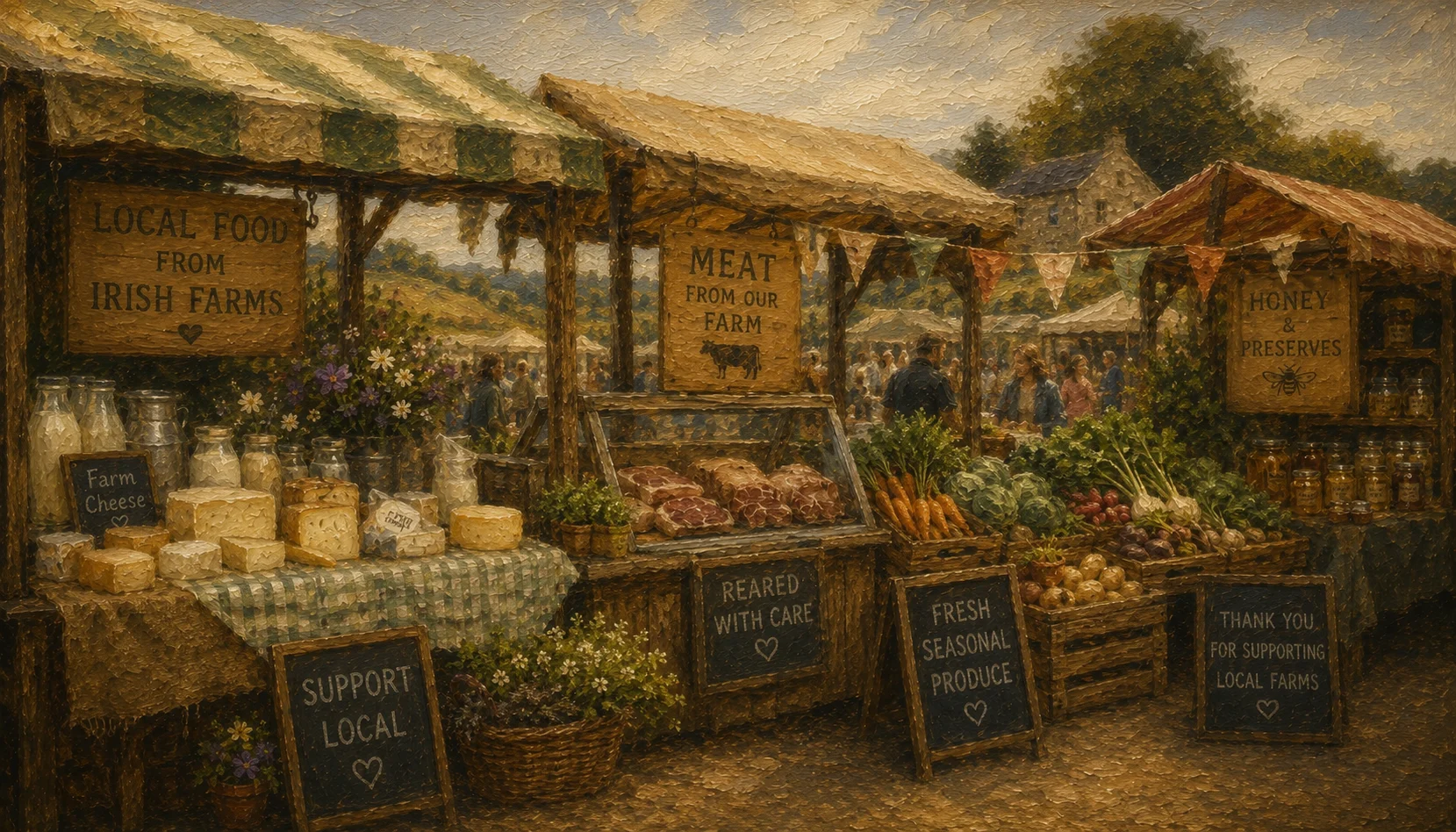
One of the most visible forms of farm diversification is selling food directly to customers.
This may include:
- A farm shop
- Meat boxes
- Milk vending machines
- Egg or vegetable honesty stalls
- Farmers' markets
- Online orders
- Home delivery
- Weekly collection points
Direct sales can give farmers more control over how products are priced, presented and explained.
They can also help customers understand where their food comes from and what makes the farm's product different.
However, direct selling adds new responsibilities. Farmers may need to manage processing, packaging, labelling, refrigeration, marketing, orders and customer service.
The business must be priced to cover all of those costs, including the farmer's own time.
Interesting examples
- Seasonal beef or lamb boxes
- Fresh milk sold through a self-service vending machine
- A small shop stocking products from neighbouring farms
- Weekly egg, vegetable or dairy subscriptions
- Click-and-collect orders from the farmyard
Farmers do not necessarily need a permanent shop to test the idea. A market stall, limited pre-order service or seasonal collection day can provide an easier starting point.
2. Cheese, yoghurt, butter and ice cream
Processing milk into a finished product can allow a dairy farm to create something with its own identity and story.
Possible products include:
- Farmhouse cheese
- Yoghurt
- Butter
- Ice cream
- Flavoured milk
- Cream
- Milk-based desserts
This type of diversification can be particularly appealing because customers associate the finished product directly with the farm.
It also creates opportunities to sell through:
- Farm shops
- Farmers' markets
- Restaurants
- Independent food shops
- Tourism businesses
- Online stores
Food processing requires careful planning. Farmers need to consider suitable facilities, hygiene, product consistency, storage, shelf life and the relevant registration or approval requirements.
A strong product alone is not enough. The business must also be able to produce, package and distribute it reliably.
3. Farm cafés and food experiences
A farm café can bring together food production, hospitality and the farm's setting.
It may serve:
- Breakfast or lunch using farm ingredients
- Home baking
- Farmhouse cheese boards
- Ice cream made on site
- Seasonal menus
- Produce from nearby farms
The strongest farm cafés usually offer more than food. Customers may also enjoy the journey, countryside setting, farm shop or chance to see where ingredients are produced.
However, cafés are demanding businesses. They require dependable opening hours, staff, food preparation, cleaning, stock management and consistent customer service.
A smaller alternative could be:
- A coffee trailer open at weekends
- Occasional farm lunches
- Seasonal pop-up events
- Pre-booked tasting experiences
- Picnic boxes for collection
These options may allow a farm to test demand before committing to a permanent hospitality business.
4. Farm stays, cabins and glamping
Farms often have something accommodation businesses cannot easily recreate: space, quiet, scenery and a genuine connection to rural life.
Accommodation options may include:
- Converted farm cottages
- Guest rooms
- Self-catering apartments
- Cabins
- Glamping pods
- Bell tents
- Campervan pitches
- Small campsites
Guests may be attracted by the opportunity to stay near animals, walk through the countryside, learn about food production or simply enjoy a quieter setting.
A farm stay does not have to involve constant organised activity. For many visitors, the appeal is simply being in a working rural environment.
The practical considerations can include:
- Planning permission
- Access and parking
- Water and wastewater services
- Insurance
- Guest safety
- Cleaning and changeovers
- Booking management
- Separation between guests and farm work
Farm machinery, livestock, slurry storage and electric fencing may be unfamiliar to visitors. Clear boundaries and safety information are essential.
5. Farm tours and behind-the-scenes experiences
Many people are interested in farming but have little opportunity to see how a commercial farm operates.
A farm experience might include:
- A guided farm walk
- A dairy or milking demonstration
- A sheepdog demonstration
- A calving or lambing-season experience
- A cheese or food tasting
- A discussion about native breeds
- A pasture or regenerative-farming walk
- A seasonal event such as pumpkin picking
The experience should be built around something the farm can offer authentically.
A commercial farmer does not need to turn the holding into a petting farm. Some visitors may be more interested in hearing how the business works, how animals are managed or how food reaches the customer.
Pre-booked small-group experiences can be easier to manage than unrestricted opening hours.
Farmers should consider whether they genuinely enjoy dealing with visitors. Hosting requires patience, communication and the ability to explain practices that may seem obvious to someone from a farming background.
6. Educational visits and school programmes
Some farms develop educational programmes for schools, colleges or professional groups.
Topics might include:
- Where food comes from
- Animal care
- Soil and grass
- Biodiversity
- Farm machinery
- Renewable energy
- Native breeds
- Food processing
- Rural business
Educational visits can create a reliable stream of pre-booked groups, particularly where the farm is located within reach of schools or urban areas.
They also require appropriate facilities, insurance, supervision, toilets, parking and safeguarding procedures.
The most effective programmes are usually structured around a clear learning outcome rather than simply allowing visitors to walk around the farm.
7. Events, workshops and seasonal activities
Farm settings can work well for small events and practical workshops.
Examples include:
- Christmas markets
- Harvest events
- Farm-to-table dinners
- Cheese-making workshops
- Flower arranging
- Bread making
- Foraging walks
- Photography workshops
- Yoga or wellness mornings
- Craft workshops
- Open days
Seasonal events can be attractive because they do not require the farm to operate as a venue every day of the year.
A farmer may also partner with another business rather than delivering everything alone. For example, a chef, florist, craft producer or activity provider could run the event while the farm provides the setting.
Event businesses still need careful management of parking, weather, food safety, noise, insurance and visitor movement around the farm.
8. Native breeds and speciality livestock
Some farms diversify by keeping a distinctive breed or producing a more specialised product.
Irish native cattle breeds include:
- Kerry cattle
- Dexter cattle
- Irish Moiled cattle
- Droimeann cattle
These breeds may appeal to customers interested in conservation, heritage, smaller-scale production, local food or distinctive meat and dairy products.
Other speciality livestock enterprises can include:
- Goats for milk or cheese
- Buffalo for dairy products
- Rare-breed pigs
- Free-range poultry
- Alpacas
- Deer
- Speciality sheep breeds
A more unusual animal does not automatically create a profitable enterprise. Farmers still need a realistic route to market and a clear understanding of husbandry, processing and customer demand.
9. Flowers, pumpkins and pick-your-own crops
Not every diversification idea needs to involve livestock or a major building project.
Some farms use a small part of the holding for:
- Cut flowers
- Sunflowers
- Pumpkins
- Christmas trees
- Soft fruit
- Orchards
- Pick-your-own vegetables
- Seasonal decorative crops
These enterprises can be visually appealing and well suited to direct sales, social media and seasonal events.
They may also require significant hand labour, crop knowledge, irrigation, storage and careful timing.
Seasonal demand can be strong but concentrated. A pumpkin enterprise, for example, has a very short sales window and may be affected by weather immediately before the main trading period.
10. Honey and beekeeping
Beekeeping can complement farming by producing honey while also supporting pollination and biodiversity.
Possible products include:
- Raw honey
- Comb honey
- Beeswax candles
- Beeswax wraps
- Skincare products
- Gift sets
Beekeeping requires knowledge, regular colony management and suitable equipment. Honey yield can vary significantly between years depending on weather, forage and colony health.
Some farmers may choose to work with an experienced beekeeper who places hives on the land rather than managing the enterprise themselves.
11. Renewable electricity generation
Renewable energy is becoming an important diversification area for farms with suitable land, roofs or energy demand.
Options may include:
- Rooftop solar panels
- Ground-mounted solar
- Small-scale wind generation
- Anaerobic digestion
- Biomass heating
- Battery storage
The financial case depends on factors such as installation cost, electricity use, grid connection, planning, maintenance and the payment available for exported electricity.
For many farms, the first objective is reducing electricity purchased from the grid rather than becoming a large energy exporter.
Dairy farms, poultry farms and other enterprises with regular electricity demand may be particularly interested in matching generation with on-site use.
Read Teagasc's overview of on-farm electricity generation .
12. Renting roofs, land or buildings
Some diversification ideas involve leasing an asset rather than operating a completely new business.
Possible examples include:
- Leasing a roof for solar panels
- Providing space for telecommunications equipment
- Renting sheds for storage
- Providing workshops for rural businesses
- Leasing land for renewable-energy projects
- Offering secure caravan or vehicle storage
This approach may create a more passive income stream, but the contract terms are extremely important.
Farmers should consider:
- Length of the agreement
- Access rights
- Insurance
- Maintenance responsibility
- Planning permission
- Tax treatment
- Impact on future use of the land or building
- What happens when the agreement ends
Independent legal and financial advice should be obtained before signing a long-term lease.
13. Reusing traditional farm buildings
An old stone shed, barn or outbuilding may have potential beyond agricultural storage.
Possible new uses include:
- Guest accommodation
- A farm shop
- A café
- A workshop
- An event space
- A food-production area
- An office
- A craft studio
- A small rural business unit
Traditional buildings can add character and help preserve part of the farm's history.
However, conversion may involve substantial costs and restrictions. The building may require structural work, drainage, insulation, services, fire-safety measures and planning permission.
A change from agricultural use to commercial, residential or tourism use will generally need to be considered carefully with the local authority.
Read Teagasc's guidance on reusing farm buildings .
14. Forestry and agroforestry
Forestry can provide a long-term alternative use for suitable land, while agroforestry combines trees with agricultural production.
Farmers may consider:
- Commercial forestry
- Native woodland
- Agroforestry
- Shelter belts
- Wood-fuel production
- Christmas trees
- Recreational woodland
The decision is long term and may affect how land can be used in the future.
Farmers should consider soil, access, establishment costs, premiums, environmental requirements, timber markets and whether the land may be needed again for livestock or crops.
15. Contracting and farm services
Some farms diversify by selling a skill or service rather than a physical product.
Examples include:
- Agricultural contracting
- Hedge cutting
- Fencing
- Livestock transport
- Relief milking
- Hoof trimming
- Scanning
- Drone services
- Soil sampling
- Farm mapping
- Machinery repair
- Bookkeeping or administration
This can make better use of machinery, technical knowledge or available labour.
However, contractors must consider insurance, machinery depreciation, fuel, travel, downtime, seasonal demand and the risk of the service interfering with work on their own farm.
16. Rural workspaces and storage
Remote and hybrid working have created interest in workspaces outside larger towns and cities.
A suitable farm building might be developed into:
- A small coworking space
- Private offices
- A meeting room
- A photography or creative studio
- Secure document storage
- Workshop units
- Storage for local businesses
This option depends heavily on broadband, access, parking, heating, planning and the level of local demand.
It may suit farms close to a town or commuter area better than isolated locations without reliable connectivity.
17. Dog exercise fields and equestrian facilities
Secure dog-exercise fields have emerged as a relatively simple way to rent enclosed land in bookable time slots.
Customers may value a safe area where dogs can run without encountering livestock, roads or other animals.
Other land-based options include:
- Horse livery
- A riding arena
- Cross-country schooling
- Horse grazing
- Walking or running routes
- Cycle trails
Even apparently simple facilities can require investment in fencing, drainage, parking, insurance, booking software and maintenance.
Public access should always be separated safely from livestock areas and normal machinery movements.
18. Partnerships with neighbouring producers
Not every farm needs to create a complete diversification business alone.
Several producers may work together to create:
- A shared farm shop
- A local delivery service
- A food box containing several products
- A farmers' market
- A food trail
- A shared processing facility
- A regional brand
- A joint tourism itinerary
Collaboration can give customers a wider range of products while spreading some marketing, staffing and distribution costs.
Clear agreements are still needed around pricing, quality, stock, responsibilities and payment.
How should farmers choose a diversification idea?
The most attractive idea on paper may not be the right one for a particular farm.
Before investing, farmers should consider five areas.
1. Existing farm resources
What is already available?
- Land
- Buildings
- Road access
- Scenery
- Livestock
- Machinery
- Food products
- Family skills
- Proximity to customers
2. Personal interest
The person running the enterprise needs to be interested in the actual work involved.
A farmer who dislikes customer service may not enjoy operating a farm shop. Someone who values privacy may not want guests staying near the family home.
Interest in the idea is important because many diversification businesses require sustained effort before they become established.
3. Real customer demand
A good idea still needs enough paying customers.
Research should consider:
- Who the customer is
- How far they will travel
- What alternatives already exist
- What price they will pay
- Whether demand is seasonal
- How they will discover the business
Positive comments from friends are not the same as confirmed demand.
4. The full workload
The new enterprise must fit around the existing farm.
Farmers should ask:
- Who will do the work?
- When is the busiest period?
- Does it clash with calving, lambing or harvest?
- Will staff be needed?
- Who covers holidays or illness?
- Does the business require fixed opening hours?
5. Financial risk
The cost should include more than buildings and equipment.
Farmers may also need to account for:
- Planning and professional fees
- Insurance
- Marketing
- Utilities
- Maintenance
- Loan repayments
- Staff
- Booking or payment fees
- Periods of low demand
- The value of their own time
A detailed cash-flow forecast can reveal whether the business can survive a slower start than expected.
Start with the smallest useful version
Farmers do not always need to launch the final version of an idea immediately.
A smaller test might involve:
- One market per month before opening a shop
- One cabin before building several
- Pre-booked tours on selected dates
- A seasonal food event before opening a café
- A limited number of meat boxes
- One workshop delivered with an external partner
- Solar panels sized initially for on-farm use
This allows the farm to learn what customers want, how much work is involved and whether the financial assumptions are realistic.
Planning, tax and insurance need early attention
Diversification can change how land, buildings and farm activities are classified.
Depending on the enterprise, farmers may need advice on:
- Planning permission
- Building regulations
- Food-business registration
- Fire safety
- Public liability insurance
- Employer responsibilities
- VAT
- Income tax
- Rates
- Licensing
- Accessibility
These questions should be investigated before major spending begins.
A building may appear ideal for accommodation or food production but require substantial work before it can be used legally and safely.
Are grants available for farm diversification?
Funding opportunities vary by project, location and application period.
The LEADER programme supports locally selected rural-development projects, including some enterprise and diversification proposals. Applications are managed through Local Action Groups, and priorities can differ between areas.
Read the Government's overview of the LEADER programme .
Other supports may be available for particular areas such as organics, renewable energy, tourism, food production or heritage buildings.
Funding should not be the sole reason for proceeding. The enterprise still needs a viable market and a realistic plan after the grant-supported investment is complete.
Which diversification ideas are most realistic?
The answer depends on the farm.
A holding beside a busy road may suit a farm shop or vending machine. A scenic but remote farm may be better suited to accommodation. A farm with large roofs and high electricity use may see value in solar generation.
A useful way to think about the options is:
- Use what the farm already produces: meat boxes, dairy products, eggs or vegetables
- Use the farm's location: accommodation, tours or outdoor activities
- Use existing assets: buildings, roofs, machinery or storage space
- Use family skills: hospitality, food production, marketing, crafts or technology
- Use the farm's story: native breeds, heritage, regenerative practices or local food
The most realistic idea is often the one that adds value to something already present rather than requiring the farm to build an entirely unfamiliar business from nothing.
Looking ahead
Farm diversification is not only about finding a second income stream.
It can create new roles, connect farms more closely with customers and make better use of land, buildings, skills and local demand.
It can also create significant additional work and financial risk.
The strongest ideas tend to begin with a clear advantage the farm already has, followed by careful research and a small-scale test.
At Graze Technologies, we are interested in the practical ways Irish farmers are adapting, building more resilient businesses and using technology to make farm work more manageable.
Frequently asked questions
What is farm diversification?
Farm diversification means creating an additional enterprise alongside or connected to the existing farm. This may involve direct sales, accommodation, tourism, food processing, renewable energy, contracting or a new crop or livestock enterprise.
What are good farm-diversification ideas in Ireland?
Potential ideas include farm shops, meat boxes, milk vending, farmhouse food products, accommodation, glamping, tours, events, renewable energy, storage, forestry, native breeds and agricultural services. The best option depends on the farm's location, assets, skills and market demand.
Is agritourism profitable?
Agritourism can provide additional income where there is sufficient visitor demand and the farm offers a clear, well-managed experience. Profitability depends on investment, staffing, seasonality, insurance, marketing and the amount of time required.
Do farmers need planning permission to diversify?
Planning permission may be required where buildings are constructed or altered, land use changes materially, accommodation is developed or a commercial activity is introduced. Farmers should check with the local authority before investing.
Can farmers get grants for diversification?
Some diversification projects may qualify for support through programmes such as LEADER or schemes related