The True Cost of Late Cattle Illness Detection in 2026
 James5 min read
Detecting illness early is one of the biggest challenges in livestock farming.
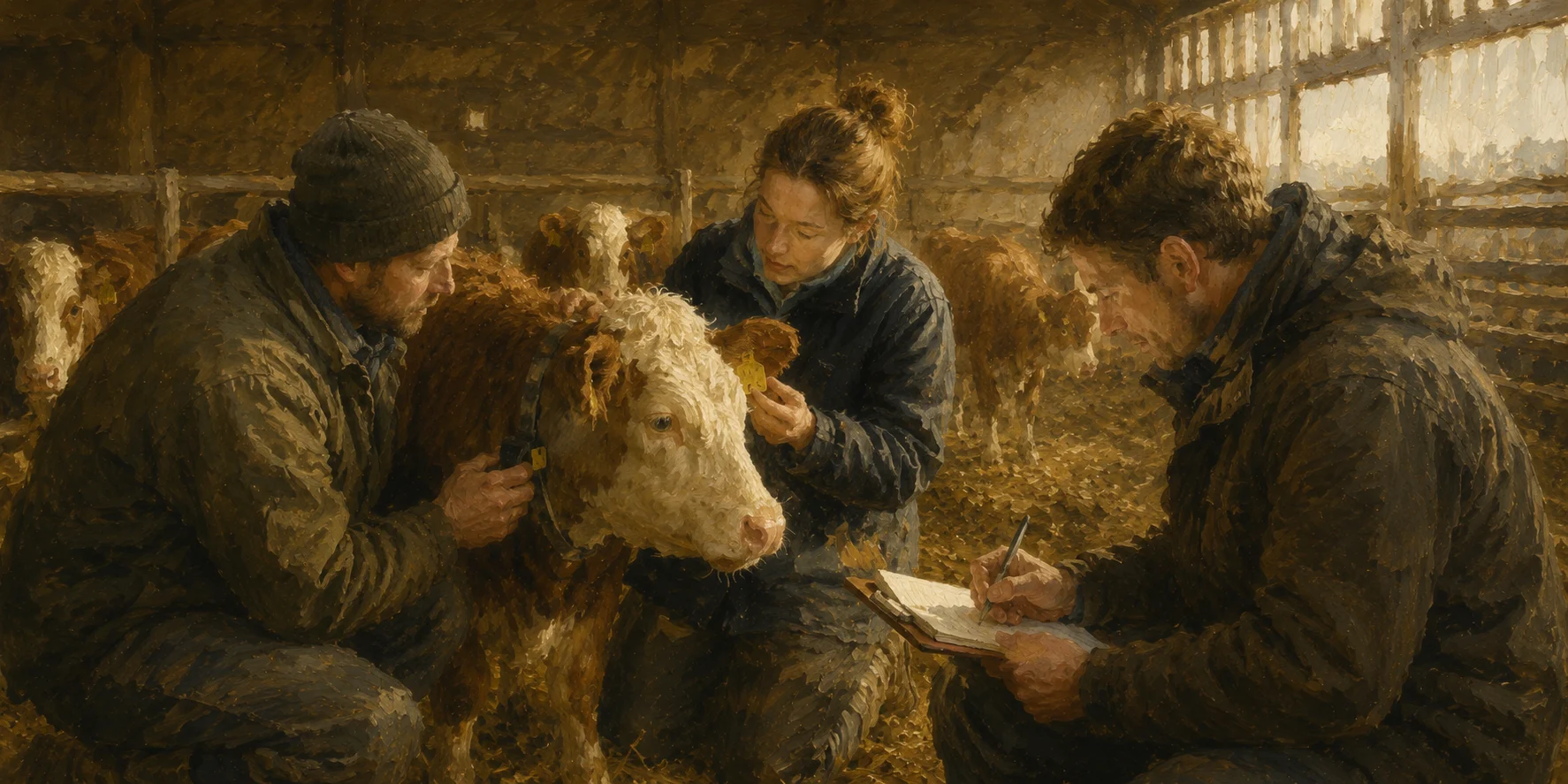
Most health conditions do not appear suddenly. Animals often show small behavioural changes before obvious clinical signs develop. They may move less, spend more time alone, eat differently or become less active. These early changes can be difficult to spot during routine herd checks, particularly on larger farms.
While not every illness can be prevented, identifying problems sooner often gives farmers more options for treatment, improves animal welfare and can reduce the overall cost of managing disease.
Why early detection matters
The cost of illness is rarely limited to the veterinary bill.
When an animal becomes sick, there may also be additional labour, reduced productivity, treatment costs, delayed breeding, withdrawal periods or, in severe cases, the loss of the animal.
Research from organisations including Teagasc and Animal Health Ireland has consistently shown that many common cattle diseases have significant economic consequences for Irish farms.
Earlier intervention cannot prevent every outcome, but it can improve the chances of successful treatment and reduce the impact of disease in many cases.
The costs farmers can see
The direct costs of illness are often the easiest to measure.
These can include:
- Veterinary visits and medication
- Additional labour needed to treat and monitor the animal
- Housing or isolation where required
- Reduced growth or milk production
- Delayed breeding or longer calving intervals
Depending on the condition and its severity, these costs can increase quickly if treatment is delayed.
What hidden costs can illness create?
Withdrawal periods. A treated animal cannot be sold for slaughter until the required withdrawal period has passed. This can delay sales and affect cash flow.
Labour. Caring for a sick animal takes time. Monitoring recovery, administering treatment and providing additional care all reduce the time available for other farm work.
Reduced performance. Depending on the condition, illness can reduce growth rates, milk production or reproductive performance, even after the animal has recovered.
Premature culling or loss. In more serious cases, illness may result in an animal being culled earlier than planned or lost altogether. The financial impact extends beyond replacement costs and may include lost production and valuable genetics.
Common diseases that affect Irish herds
Research from organisations including Teagasc and Animal Health Ireland highlights several conditions that continue to have a significant economic impact on Irish cattle farms.
- Lameness: One of the most costly health issues affecting cattle. Costs can include treatment, reduced performance and additional labour.
- Bovine Viral Diarrhoea (BVD): Continues to affect herd productivity through reduced fertility, poorer performance and disease control measures.
- Mastitis: Particularly important in dairy herds, where reduced milk quality and production can have a significant financial impact.
- Poor fertility: Often linked to underlying health issues and can increase calving intervals while reducing overall herd productivity.
- Johne's disease: A chronic disease that can reduce productivity for long periods before obvious clinical signs appear.
Why earlier detection matters
Many cattle illnesses develop gradually rather than appearing suddenly. Animals often show subtle behavioural changes before obvious clinical signs become visible.
For example, an animal developing lameness may begin walking differently before an obvious limp appears. An animal with a respiratory infection may become less active or separate from the herd before showing more recognisable symptoms.
Identifying these changes earlier gives farmers more opportunity to investigate, seek veterinary advice where appropriate and begin treatment sooner if required.
Technology cannot diagnose disease. However, continuous livestock monitoring may help identify behavioural changes that suggest an animal should be checked more closely.
Looking ahead
Earlier detection will not prevent every illness or guarantee a better outcome. However, improving visibility between routine herd checks has the potential to support earlier intervention, better animal welfare and more informed management decisions.
As herd sizes continue to grow and labour pressures increase, technologies that help farmers monitor behavioural changes may become an increasingly valuable part of livestock management.
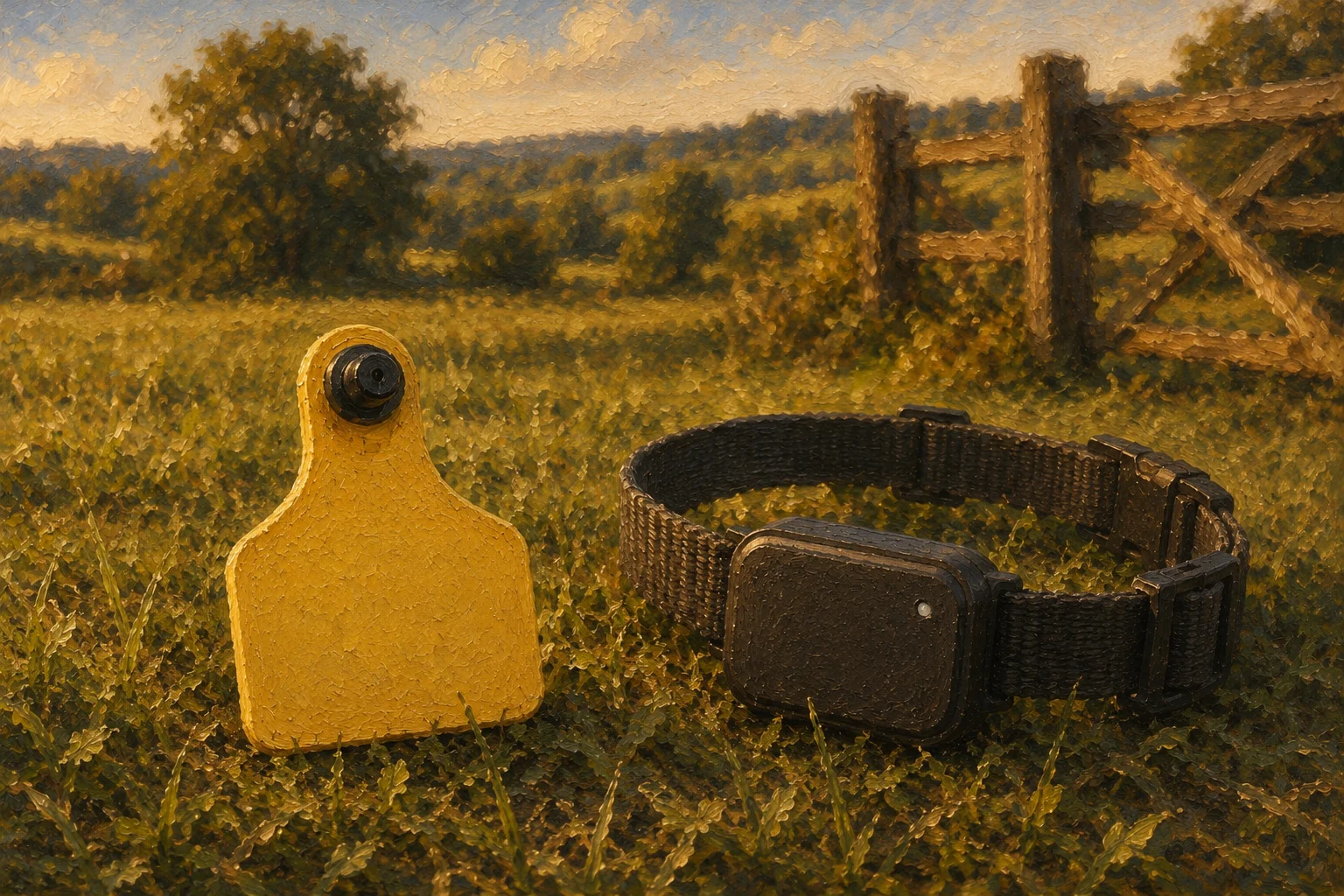
At Graze Technologies, we are developing smart cattle monitoring technology that aims to help farmers identify meaningful behavioural changes earlier, providing additional information to support day-to-day herd management.
Frequently asked questions
Why is early illness detection important in cattle?
Many diseases become more difficult and more expensive to manage as they progress. Identifying potential problems earlier allows farmers to investigate sooner and, where appropriate, begin treatment before conditions become more severe.
What are the hidden costs of cattle illness?
In addition to veterinary treatment, illness can lead to reduced productivity, additional labour, delayed breeding, withdrawal periods and, in some cases, premature culling or loss of the animal.
Can technology detect illness in cattle?
Technology cannot diagnose disease. However, continuous livestock monitoring systems can identify changes in behaviour or activity that may indicate an animal requires closer inspection.
How does Graze Technologies help?
Graze Technologies is developing smart cattle monitoring technology that aims to identify meaningful behavioural changes earlier, helping farmers prioritise which animals may need attention while supporting, not replacing, routine herd observation.