Why Irish Beef and Dairy Farms Are Ready for Smart Monitoring
 James3 min read
Smart livestock monitoring is becoming increasingly relevant for Irish farms, not because farming has changed overnight, but because several long-term trends are coming together.
Herd sizes have grown, labour remains a challenge, rural connectivity has improved, and livestock monitoring technology has become more accessible. Together, these changes are creating new opportunities for farmers to monitor their herds more effectively.
Growing herds, greater demands
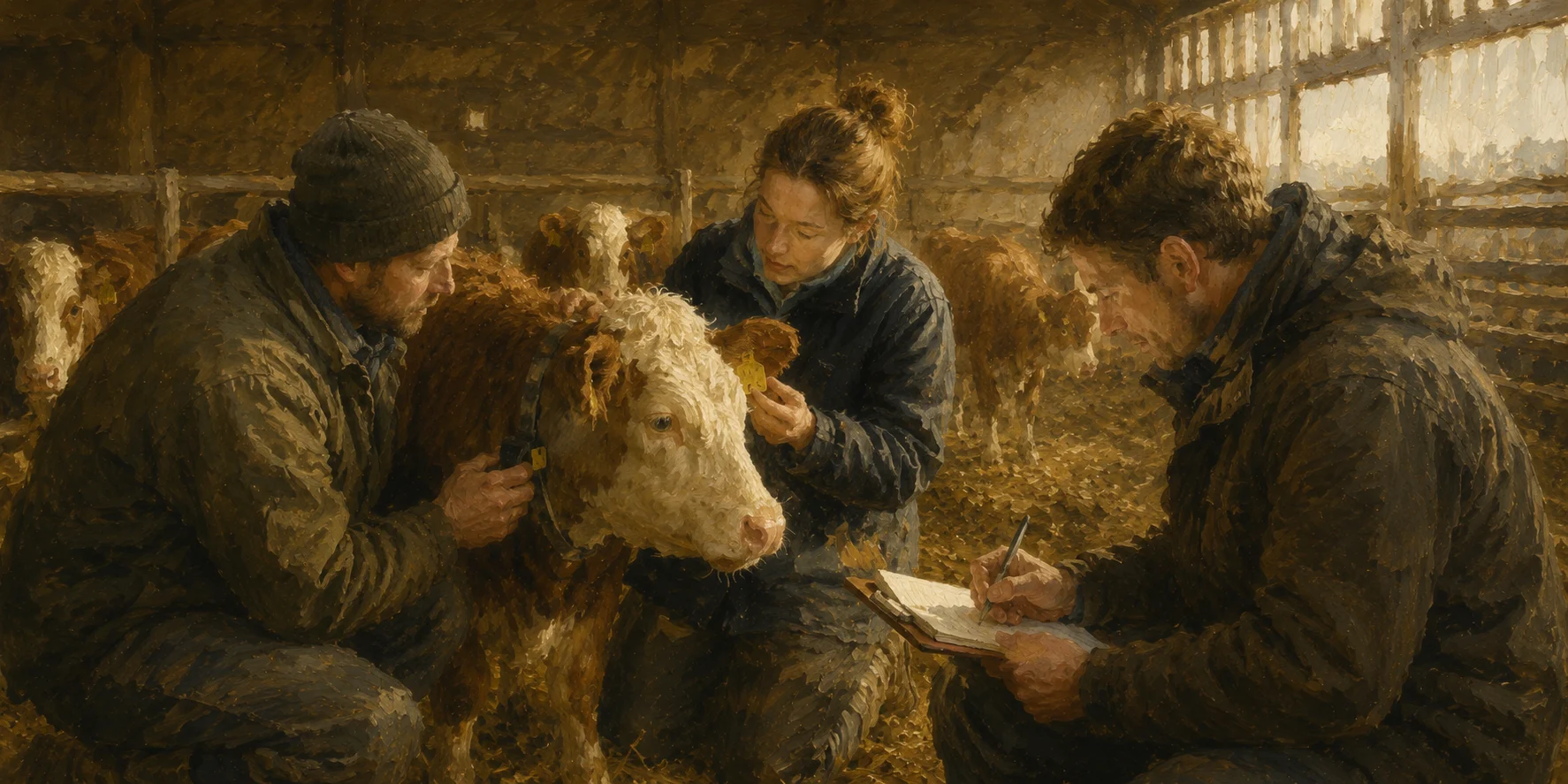
Ireland's farming sector has changed significantly over the past decade. Dairy herds have expanded following the removal of milk quotas, while many farms are managing more animals with the same number of people.
Teagasc continues to identify labour availability as one of the biggest challenges facing Irish agriculture. As herd sizes increase, farmers need practical ways to maintain good visibility across their animals without adding more hours to the working day.
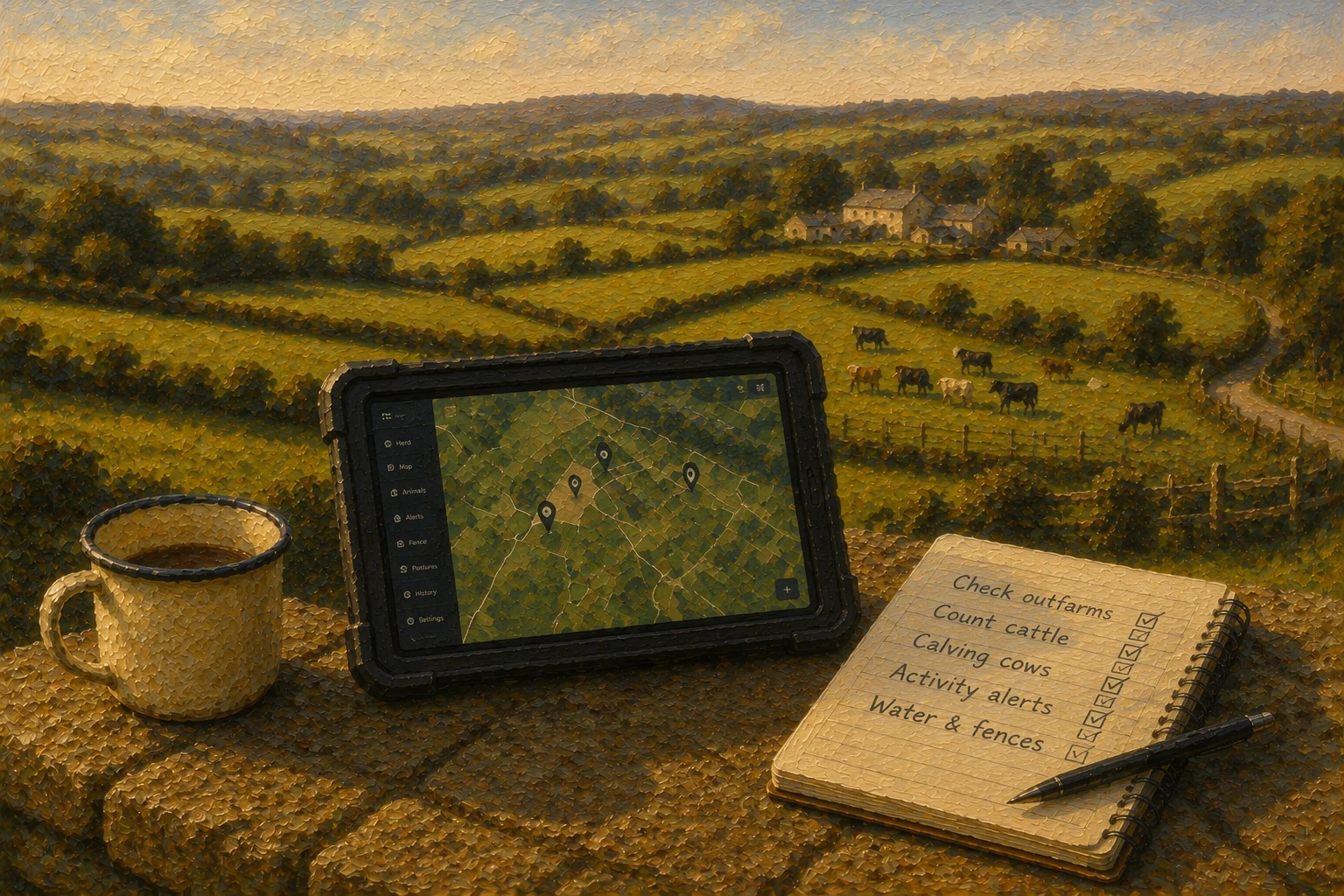
Rather than replacing traditional herd checks, new technologies have the potential to help farmers focus their time on the animals that may need the closest attention.
Rural connectivity has improved
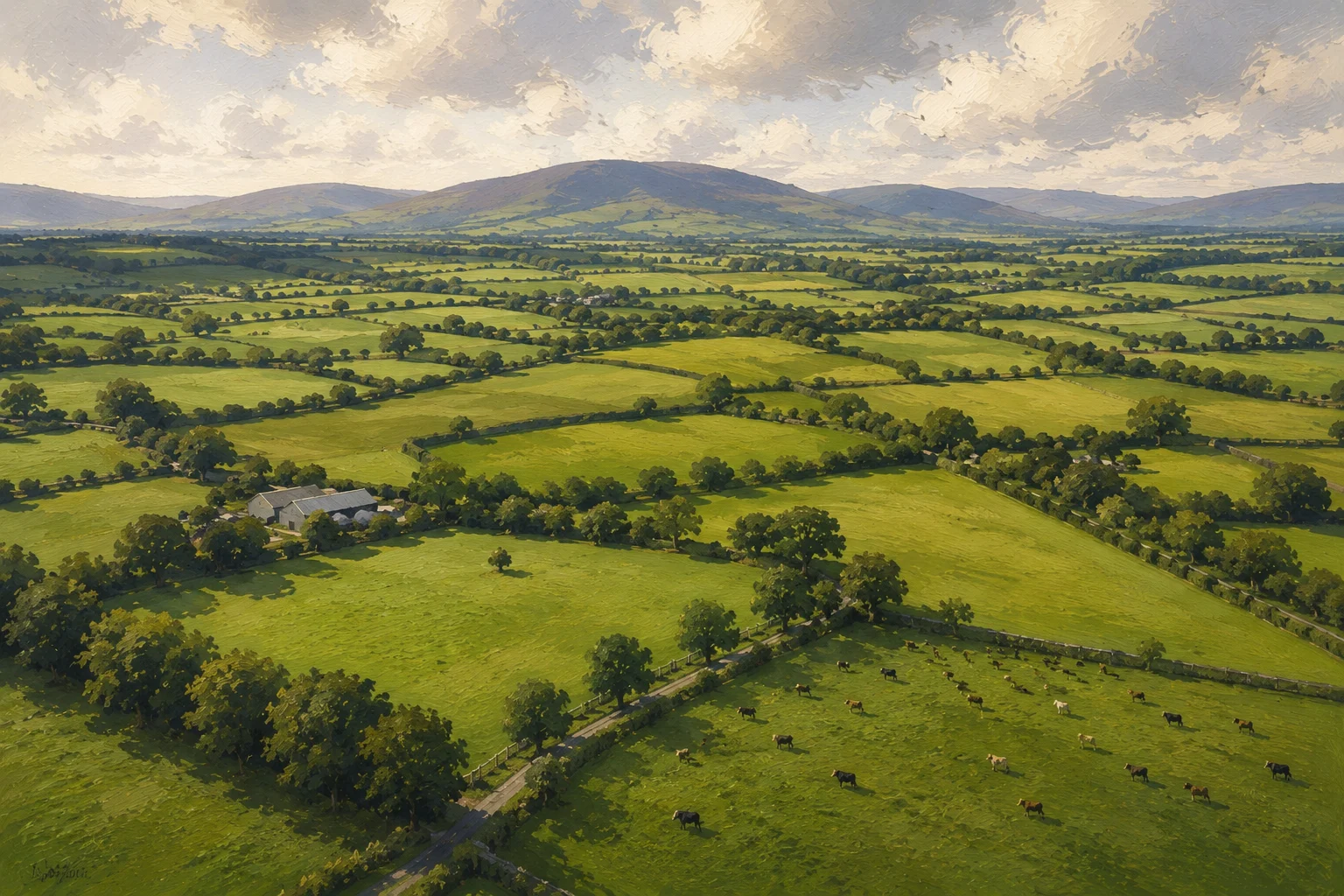
Reliable connectivity has become far more accessible across rural Ireland over the past decade.
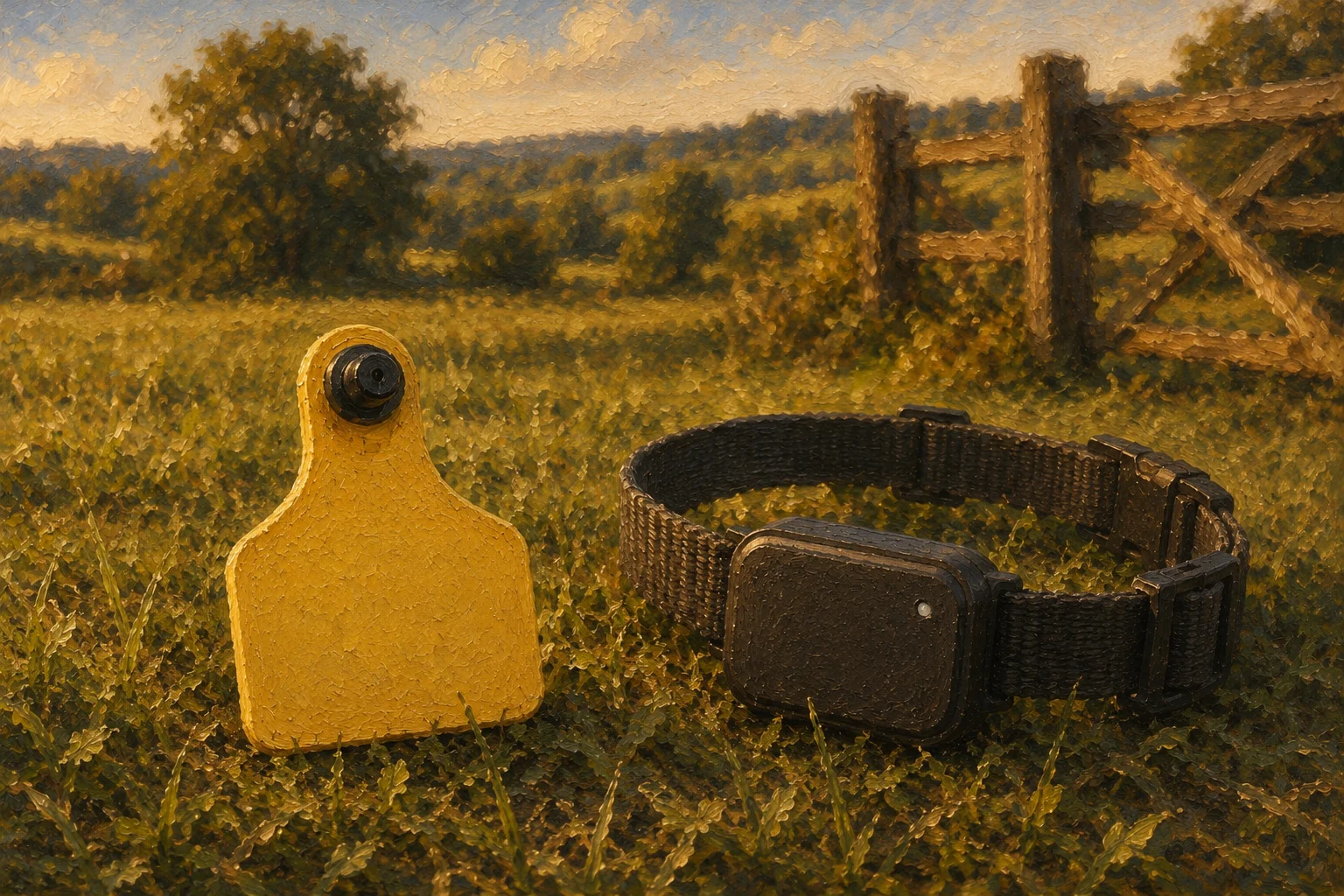
The National Broadband Plan continues to expand fibre coverage, while mobile broadband has become widely available across much of the country. At the same time, newer technologies make it possible to transmit small amounts of livestock data over long distances using very little power.
This means many monitoring systems no longer rely on mobile coverage in every field, making them increasingly practical for farms in more remote locations.
Changing economics are driving interest
Higher cattle values and continued pressure from feed, fertiliser, fuel and veterinary costs mean every management decision has a greater financial impact.
Earlier identification of illness, heat or calving behaviour has the potential to improve animal welfare and reduce the impact of problems before they become more serious.
While technology cannot prevent every issue, having better visibility across the herd can help farmers make faster and more informed decisions.
What still needs to happen?
Awareness. Many Irish farmers have not yet seen livestock monitoring systems demonstrated on farms similar to their own.
Trust. Farmers want evidence that systems perform reliably under Irish farming conditions before investing.
Simplicity. Any technology introduced onto a working farm must save time rather than add complexity.
As more systems are trialled and adopted across Ireland, practical demonstrations and independent evidence will be just as important as advances in the technology itself.
Looking ahead
Smart livestock monitoring is unlikely to replace traditional herd management. Instead, it has the potential to become another tool that helps farmers monitor larger herds more efficiently, identify behavioural changes earlier and make more informed management decisions.
At Graze Technologies, we are developing livestock monitoring technology designed specifically for Irish farming systems, with the aim of helping farmers gain earlier insights into herd behaviour while supporting everyday herd management.